Mastering Defensive Driving: 7 Essential Skills for Nova Scotia Roads
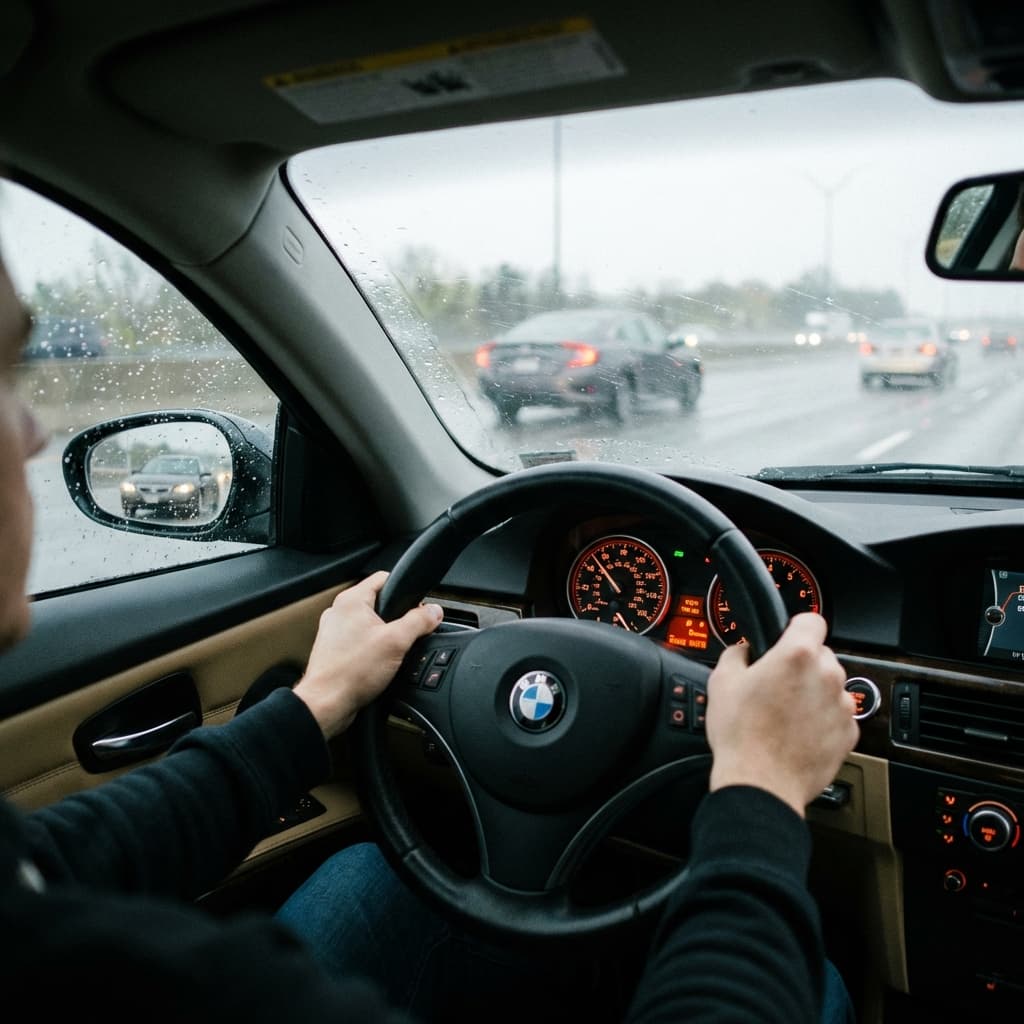
We often talk about "Defensive Driving" as a 6-hour course you take to remove points from your license. And while that's true (and valuable!), defensive driving is really a system of habits that keeps you alive.
In Nova Scotia, where weather changes hourly and moose are real road hazards, these skills are non-negotiable.
Here are the 7 essential defensive driving skills every Nova Scotian driver needs to master—whether you've been driving for 2 months or 20 years.
1. The "What If" Game (Predictive Driving)
The average driver reacts to what is happening. The defensive driver reacts to what might happen.
- That car approaching the stop sign looks like it's coming in too fast... (Prepare to brake).
- That kid on the bike is wobbling... (Give extra space).
- The light has been green for a while... (Cover the brake).
Action: Constantly scan for potential threats. Don't trust that other drivers will follow the rules.
2. Space Management (The Safety Bubble)
You cannot crash into space. The more empty space you keep around your vehicle, the safer you are.
- Following Distance: The "2-second rule" is for perfect conditions. In rain? Make it 4 seconds. In snow? 6 seconds or more.
- Stopping Distance: When stopped behind a car at a red light, you should be able to see their back tires touching the pavement. If you're rear-ended, this gives you room to escape without hitting them.
3. The 360-Degree Awareness (Scanning)
Tunnel vision kills. Many accidents happen because a driver was only looking at the car directly in front of them.
- The Cycle: Look far ahead (15-20 seconds) -> Check rearview mirror -> Check speedometer -> Scan left/right intersections -> Repeat.
- Blind Spots: Never hang out in another driver's blind spot. Either pass them or drop back.
4. Intersection Discipline
40% of all collisions happen at intersections. They are chaotic meet-points of cars, pedestrians, and cyclists.
- The Scan: Look Left-Center-Right-Left before entering any intersection (even on a green light).
- The Wait: When turning left, keep your wheels STRAIGHT while waiting. If you're rear-ended with turned wheels, you'll be pushed into oncoming traffic.
5. Weather Adaptation
Nova Scotia driving means rain, fog, black ice, and snow—sometimes all in one day.
- Hydroplaning: If you hit standing water and lose steering, do not brake. Ease off the gas and keep the wheel straight until tires reconnect.
- Black Ice: Look for "shiny" patches on dull pavement, especially on bridges and overpasses which freeze first.
6. Emotional Control (Road Rage Prevention)
An angry driver is a blind driver. If you're stressed, late, or angry, your decision-making skills plummet.
- The "Let it Go" Rule: Someone cut you off? Let it go. Retaliating puts you in danger.
- Don't Engagement: Avoid eye contact with aggressive drivers. Give them space to speed away from you.
7. Vehicle Sympathy
Defensive driving also means listening to your car.
- Tires: They are your only contact with the road. Check pressure monthly.
- Brakes: If they squeak or grind, get them checked immediately.
- Visibility: Keep your windshield washer fluid full. In a slushy NS winter, running out of fluid is fully blinding.
Why This Matters (Beyond Safety)
Mastering these skills has tangible benefits:
- Insurance Savings: A clean record means lower premiums.
- Fuel Economy: smooth, defensive driving uses 15-30% less gas than aggressive stop-and-go driving.
- Vehicle Longevity: Less wear on brakes and tires saves you thousands in repairs.
Want to Dive Deeper? Our comprehensive Defensive Driving Course covers these topics in detail and is government-certified to remove demerit points.
First Lake Sackville Driving Academy
Professional Driving Instruction