Why Driver's Education is Worth the Investment: Safety, Savings, and Success
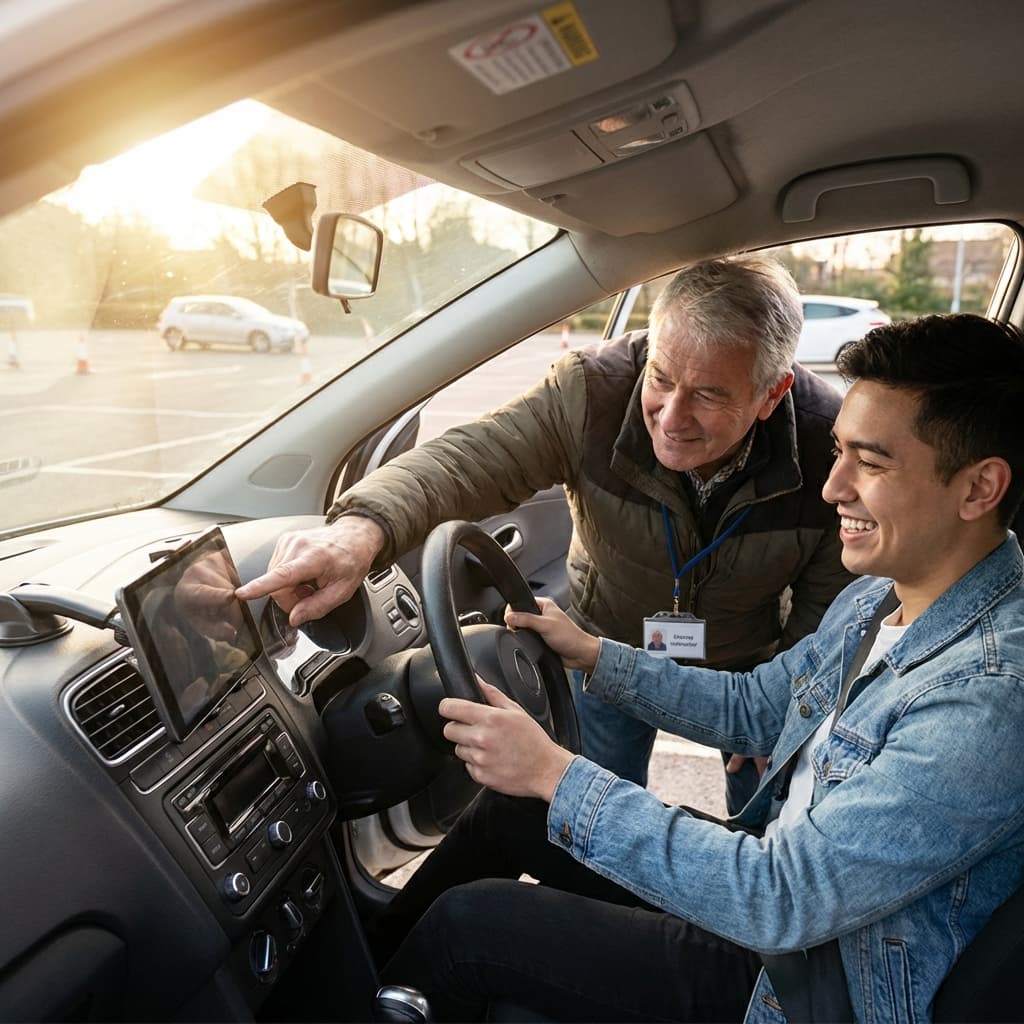
"Can't I just teach my kid to drive myself?"
It's a question we hear often. And legally, yes—in Nova Scotia, you can. But is it the best choice for your teenager's safety (and your blood pressure)?
Driver's Education is an investment of time and money, but the return on that investment is massive. Here’s why professional training beats "parking lot lessons with Dad" every time.
1. The Financial ROI: Insurance Savings
Let's talk numbers first. In Nova Scotia, insurance for new male drivers under 25 can be astronomical. However, completing a certified Driver Training Course (35 hours) is the single most effective way to lower that premium.
- The Discount: Most insurers offer a significant discount (often 10-25%) for certified drivers.
- The Payback Period: For many families, the insurance savings in the first 2-3 years cover the entire cost of the driving course.
- The Long Game: Avoiding just one minor at-fault accident (which untrained drivers are statistically more likely to cause) saves you thousands in deductibles and premium hikes.
2. The Time ROI: Get Licensed Sooner
- Without Driver's Ed: You must hold your Learner's License (Class 7) for a minimum of 12 months.
- With Driver's Ed: That waiting period drops to 9 months.
For a eager teenager, those 3 months are an eternity. For a family tired of being a taxi service, those 3 months are freedom.
3. Avoiding the "Survivor Bias" Trap
Parents often say: "I didn't take lessons and I'm a fine driver!" That may be true. But driving conditions have changed.
- More Distractions: Phones, touchscreens, complex dashboards.
- More Traffic: HRM traffic density is higher than it was 20 years ago.
- New Rules: Roundabouts, bike lanes, and new laws (like the "Move Over" law) are often things parents aren't 100% clear on themselves.
Professional instructors teach the current rules and best practices, ensuring students don't inherit their parents' bad habits (like rolling stops or lazy one-handed steering).
4. Controlled Chaos: Learning in Safety
Our vehicles are equipped with dual brake pedals. When a student makes a critical error—like trying to merge into a truck or missing a red light—our instructors can intervene instantly.
- In a personal car: You have to yell and grab the wheel (dangerous).
- In a training car: We quietly apply the brake and turn it into a teachable moment.
This safety net allows students to learn difficult maneuvers (like highway merging) with confidence, knowing they won't be allowed to crash.
5. Structured Learning vs. Winging It
Teaching someone to drive is hard. It requires breaking down complex, subconscious actions into step-by-step instructions.
- Parent: "Just turn the wheel!"
- Instructor: "Look to your target, hand-over-hand steering, accelerate gently out of the apex."
We follow a curriculum. We cover night driving, rain, downtown traffic, highways, and parking in a structured logical order. We don't just "drive around."
Conclusion: Value Beyond the License
The goal of Driver's Education isn't just to pass the road test. That's the easy part. The goal is to survive the first 5 years of independent driving.
New drivers are at the highest risk of fatal accidents. Professional training gives them the toolkit to recognize hazards, manage space, and make split-second decisions that save lives.
Is it worth it? Ask any parent whose child avoided an accident because they remembered to "check the blind spot" just like their instructor taught them.
Invest in their safety.
First Lake Sackville Driving Academy
Professional Driving Instruction